Using heat exposure in sport isn’t a passing trend — it’s a field with a growing body of clinical research mapping specific physiological mechanisms. This article focuses on what science actually says about sauna therapy in the context of sports recovery: where the evidence is strong, where it’s preliminary, and where marketing claims outrun the existing data.
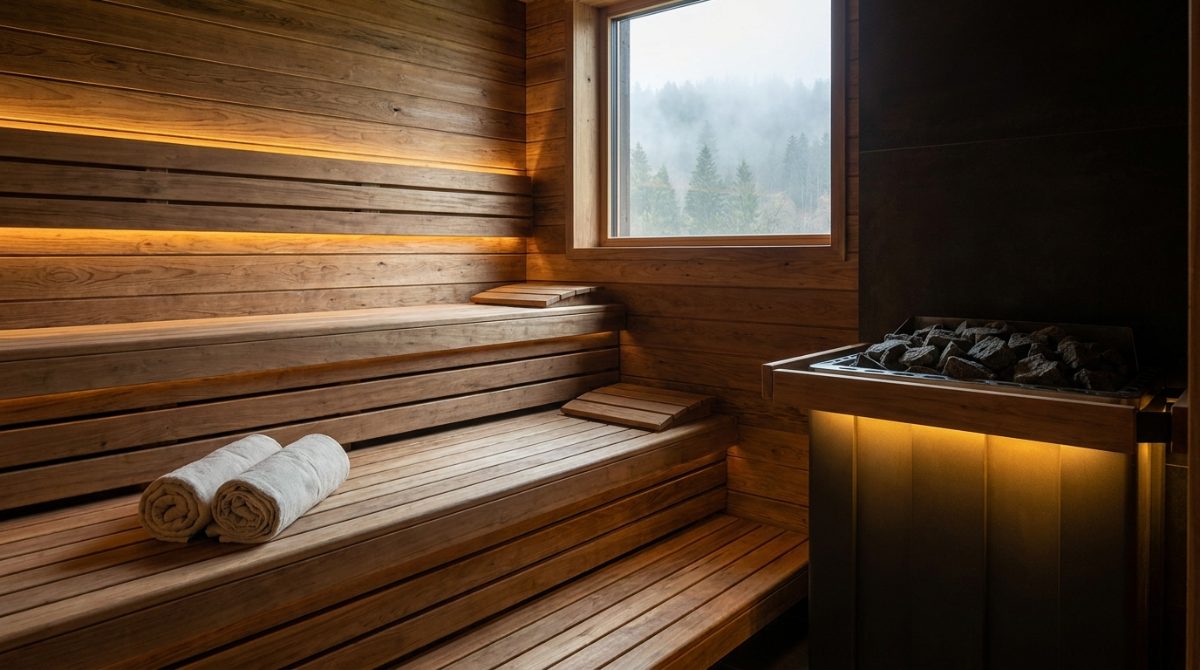
The primary mechanism through which a sauna affects muscle recovery at the cellular level is the induction of heat shock proteins (HSPs), primarily HSP70 and HSP90. These proteins act as molecular chaperones: they help refold denatured proteins in muscle cells damaged by intense training.
When HSPs activate: A body temperature above 39 °C triggers expression of the HSP70 gene. In a sauna environment (80–100 °C), body temperature rises to 38–40 °C after 15–20 minutes of exposure — just enough of a signal. Human studies (Moseley 1997, Périard et al. 2021) show that HSP70 expression increases 2–4-fold after 60 minutes of hyperthermia and remains elevated for 24–48 hours.
Practical impact: HSPs accelerate the repair of sarcoplasmic proteins and reduce inflammation by modulating the NF-κB pathway — the transcription factor for the inflammatory response. This shows up as a faster reduction in DOMS (Delayed Onset Muscle Soreness) — muscle soreness occurring 24–72 hours after exertion.
Repeated heat exposure — without physical exertion — triggers cardiovascular adaptations comparable to moderate aerobic training. This mechanism is called passive heat training or heat acclimation.
A study by Scoon’s group (2007, Journal of Science and Medicine in Sport) tracked distance runners who took 30-minute hot baths after training for 3 weeks. Results: a 4.5% increase in plasma volume and a 1.9% improvement in 5 km time-trial performance compared to a control group. The mechanism is a rise in erythropoietin (EPO) and blood plasma expansion under repeated hyperthermia.
For strength athletes, a different aspect is more relevant: heat adaptation lowers heart rate and perceived exertion at the same workload, allowing for greater training capacity.
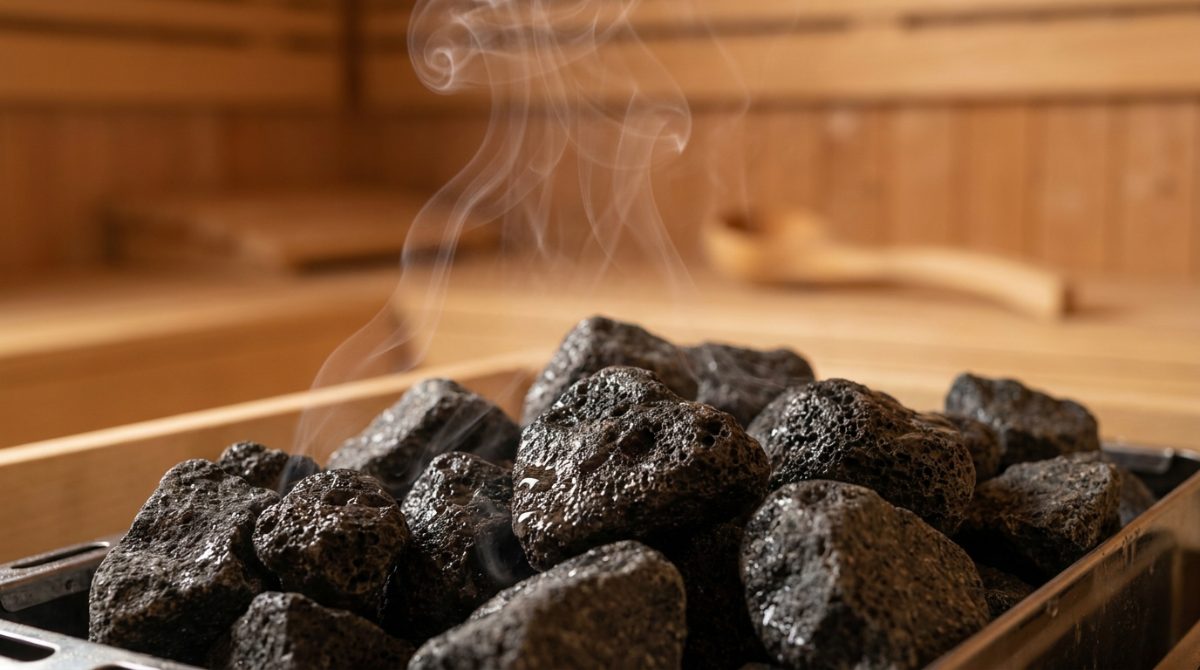
Immediately after training (0–30 minutes): not suitable
Right after intense exertion, the body is still in a catabolic phase — cortisol is elevated and the inflammatory cascade is active. Adding thermal load at this point increases overall physiological strain without a proven benefit.
1–4 hours after training: the optimal window
Once the acute inflammatory phase has settled, and after rehydration and initial nutrition (protein, carbohydrates), heat exposure is beneficial. Increased circulation speeds up amino-acid delivery to recovering muscles and clearance of metabolic byproducts. This has been confirmed as the ideal window in several review papers (Ihalainen 2020, Pilch et al. 2022).
Before training: conditionally beneficial
A sauna 1–2 hours before training increases baseline plasma volume and lowers perceived exertion at submaximal effort — a tactical advantage for endurance athletes. For strength training: excessive hyperthermia before a strength session can reduce maximal muscle force.
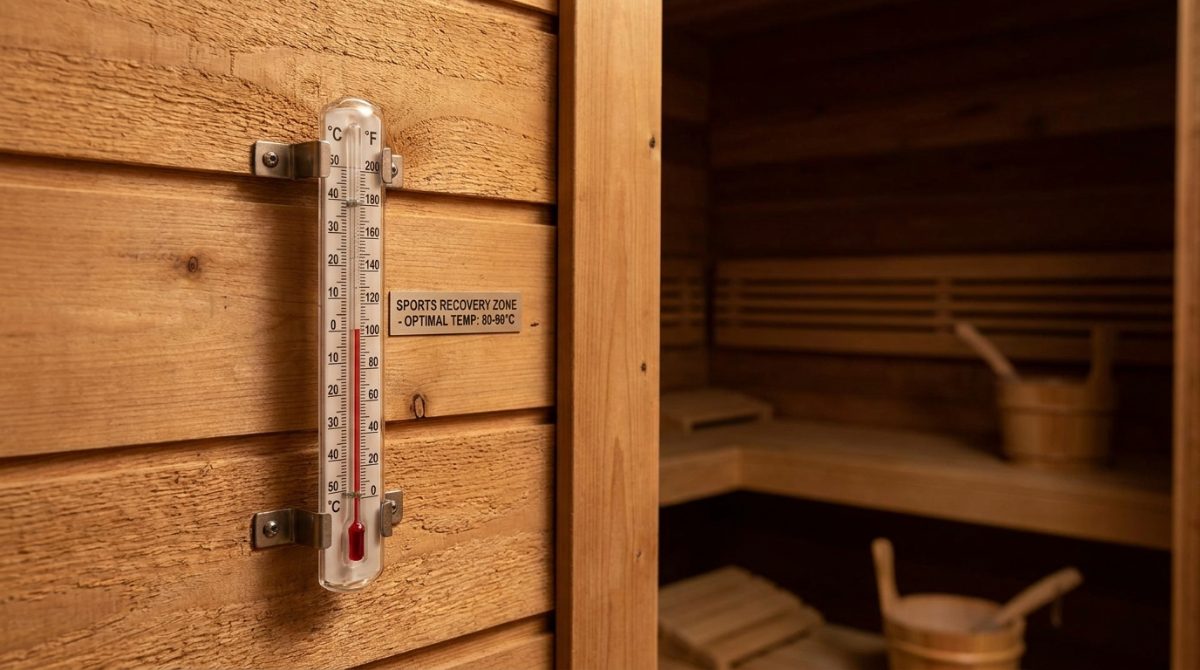
Cabin temperature: 80–90 °C (Finnish dry heat). Lower temperature (60–70 °C) with higher humidity triggers weaker HSP induction but is an acceptable alternative for people with cardiovascular limitations.
Duration: 2 × 15 minutes, or 1 × 20 minutes with a 5–10-minute break. A total heat exposure of more than 15 minutes is the threshold for significant HSP70 induction.
Frequency: 3–4 times a week on training days. A daily sauna during periods of intense training load is potentially counterproductive — chronic hyperthermia without adequate recovery increases overall inflammatory status.
Hydration: 500–750 ml of water before entering. Sweat loss in a sauna environment reaches 0.5–1.5 l/hour. Dehydration exceeding 2% of body weight negatively affects muscle strength and coordination.
Cryotherapy (ice baths) has long been viewed as the gold standard for acute recovery in sport, since it reduces the inflammatory response. Paradoxically, newer research complicates that picture.
Studies by Yamane et al. (2006, 2015) and Fyfe et al. (2019) show that ice baths taken immediately after strength training suppress not just inflammation but also anabolic signalling (mTORC1, Akt/PKB pathways) — and can therefore reduce the hypertrophic adaptation to training over time. For strength and muscle mass, post-training cryotherapy is potentially detrimental with regular use.
For endurance athletes, cryotherapy remains more beneficial — minimising inflammation matters more to them than maximising hypertrophy. For strength athletes, a sauna is the physiologically better choice.
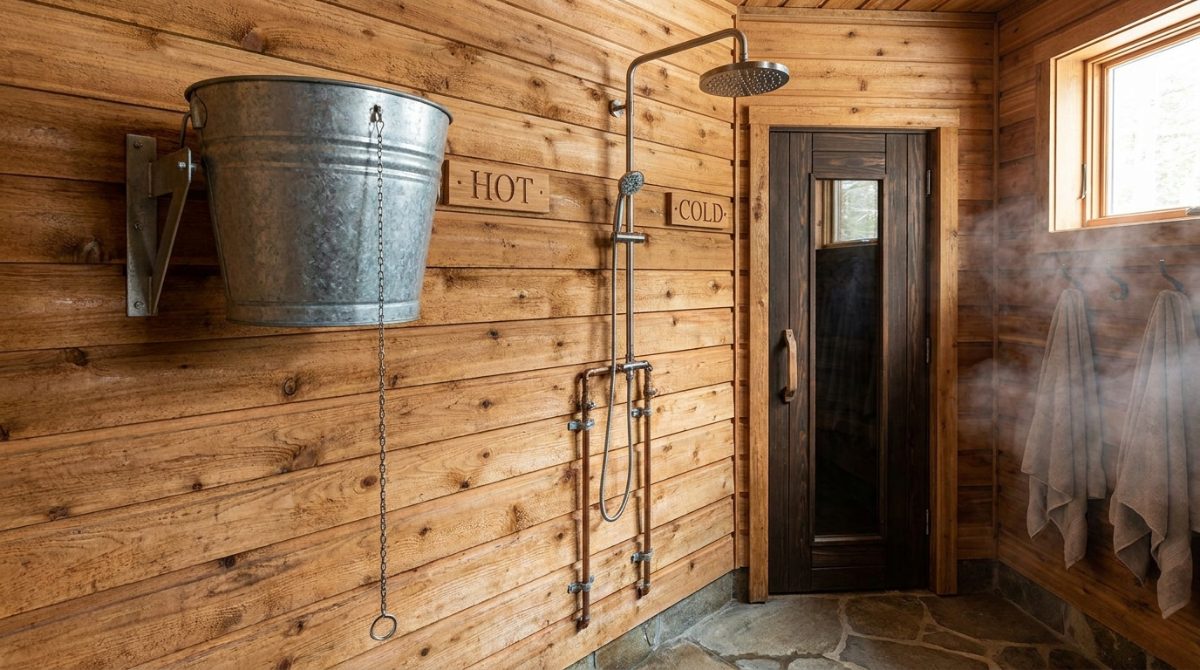
Contrast therapy (alternating heat and cold) combines both approaches. A meta-analysis (Bieuzen et al. 2013) shows a statistically significant reduction in DOMS and perceived fatigue 24 hours after training. Protocol: 1 minute of cold water (10–15 °C) / 2–3 minutes of warm water (38–42 °C), 4–6 cycles.
Overtraining syndrome: In chronic overtraining, the body’s inflammatory status is chronically elevated and cortisol regulation is disrupted long-term. Additional thermal load worsens this state.
Post-training dehydration: Entering a sauna with a fluid deficit greater than 2% of body weight increases the risk of cardiovascular complications. Always rehydrate before entering.
Acute inflammatory injuries: Heat dilates blood vessels and increases blood flow to injured tissue, which worsens swelling in an acute hematoma. A sauna is contraindicated for the first 48 hours after an acute muscle injury.
Recovery day (the day after a hard training session):
1. Morning: check your resting heart rate — if it’s > 7 bpm above your usual baseline, your body is still recovering
2. After light activity (mobility work, a walk): 15–20 minutes in the sauna at 85 °C
3. Cool down: a shower or a cold bath (10 minutes)
4. Hydration and protein intake within 45 minutes of the sauna session
Training day (active recovery):
1. Training → 90-minute rest → sauna
2. 2 × 15 minutes with a 5-minute break
3. A cold shower (30 seconds) after each session
4. Track your HRV (Heart Rate Variability) — a drop signals inadequate recovery
Related topics: Outdoor Sauna or Hot Tub — What to Buy First | Winter Outdoor Sauna Operation and Energy Savings


We're happy to help personally. Leave us your contact, or write or call us:
+421 940 916 815 info@luxurelax.sk